History of Fira de Lleida
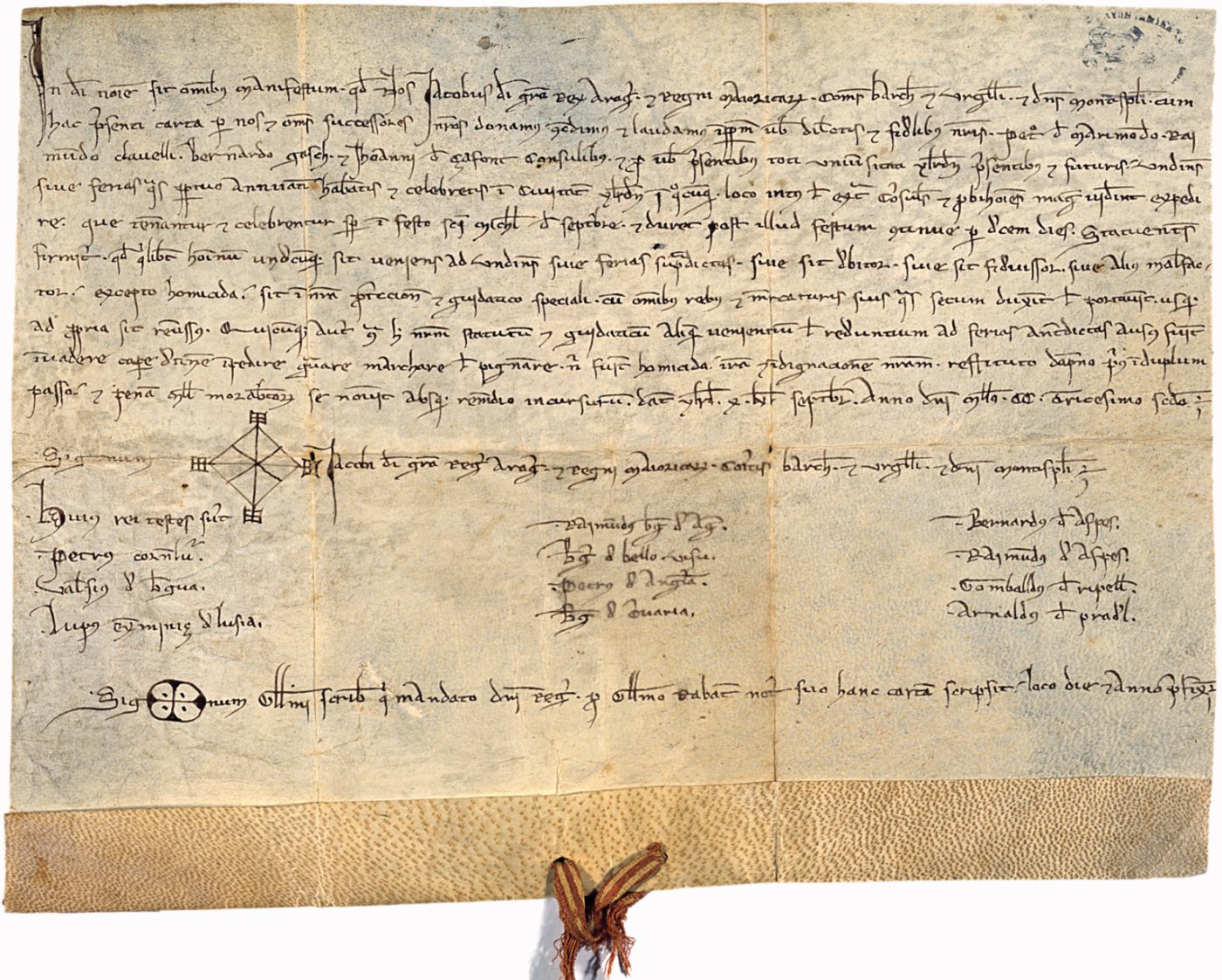
The fair tradition of the city of Lleida is documented since the medieval period: on 23 August 1232, King James I granted the privilege of holding an annual fair of ten days starting from Saint Michael's Day.
This page has been machine-translated from Catalan. Some wording may not be accurate.
The fair tradition of the city of Lleida is documented since the medieval period: on 23 August 1232, King James I granted the privilege of holding an annual fair of ten days starting from Saint Michael's Day.
During the Middle Ages, the fairs of Lleida already had an international character, as they brought together merchants and traders from Toulouse, Montpellier and other towns in southern France.
This fair activity was maintained over time, with some interruptions, until the twentieth century, when, as a consequence of the progressive spirit of Lleida society, various initiatives emerged to promote the agricultural economy of the area: the Tractor Competition and Agricultural Machinery Exhibition of 1921, promoted by the Mancomunitat de Catalunya; the Fruit and Flower Exhibition organized by the Ateneu Lleidatà in 1929, or a new Agricultural Exhibition held the following year.

James I grants the consuls and the entire university of Lleida the right to hold a fair each year that will begin with the feast of Saint Michael of September and last ten consecutive days. The document further guarantees protection and royal safe conduct to any person who attends the fair with their goods and merchandise.
From the medieval privilege to the new fair venue project.
On 23 August, King James I grants Lleida the privilege of holding an annual fair of ten days starting from Saint Michael's Day. During the Middle Ages, the fairs of Lleida already have an international character and bring together merchants from Toulouse, Montpellier and other towns in southern France.
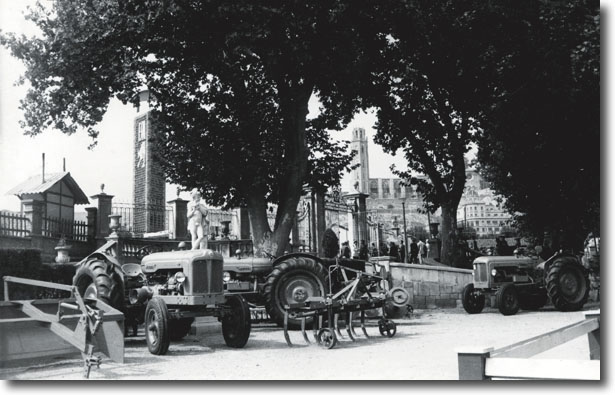
Tractor Competition and Agricultural Machinery Exhibition, promoted by the Mancomunitat de Catalunya, in the spirit of progress of Lleida society.
The Ateneu Lleidatà organizes the Fruit and Flower Exhibition; the following year a new Agricultural Exhibition is held.
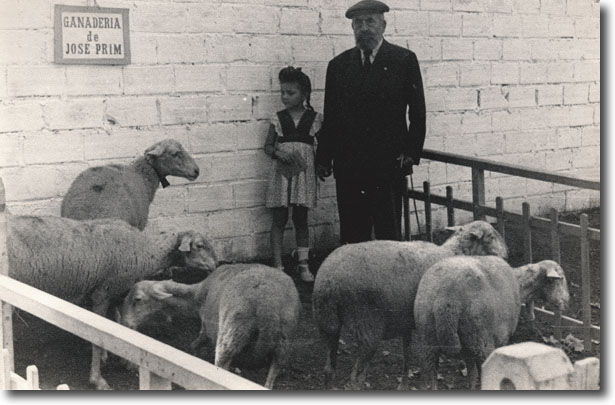
The Agricultural, Livestock and Industrial Exhibition, the first of the post-war period, marks the beginning of the modern activity of Fira de Lleida and is the embryo of the current Agricultural Fair of Saint Michael.
The Lleida City Council announces a fair of annual frequency and from 1956 onwards the Sample Fair is organized under the patronage of Saint Michael, with special prominence given to agricultural machinery, fruit and livestock.
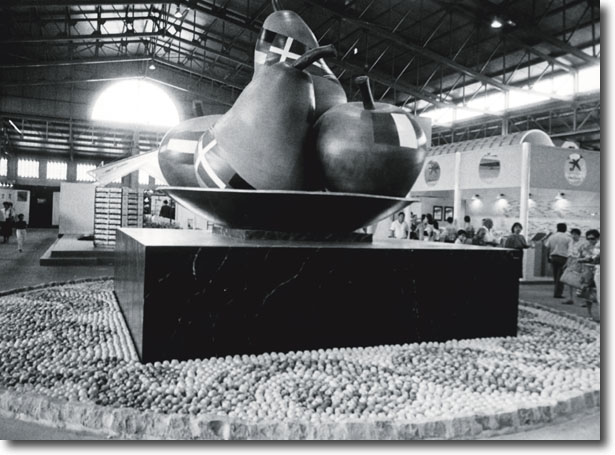
Coinciding with the consolidation of the fruit sector, an international fruit conference is held: the seed of the Eurofruit salon and the international scope of the fair institution.
The Lleida fair institution is created, which joins the Spanish Fairs Association (AFE). Its functions: organize fairs and conferences, manage the fair venue and collaborate with other economic activities.
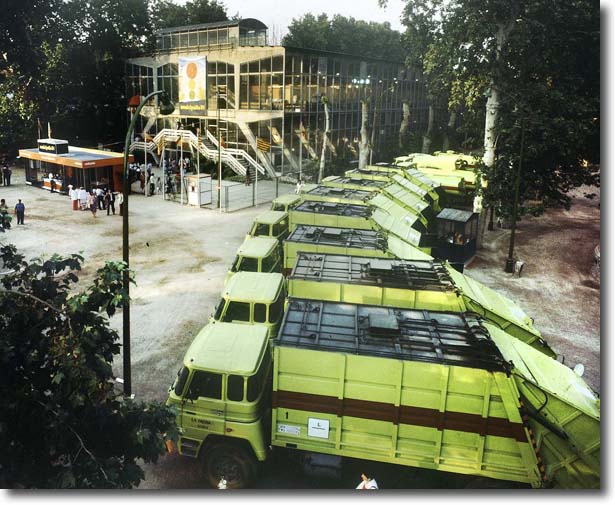
Municipàlia is created, the International Fair of Municipal Equipment and Services, a pioneering event in the Spanish State and today an international reference in the sector.
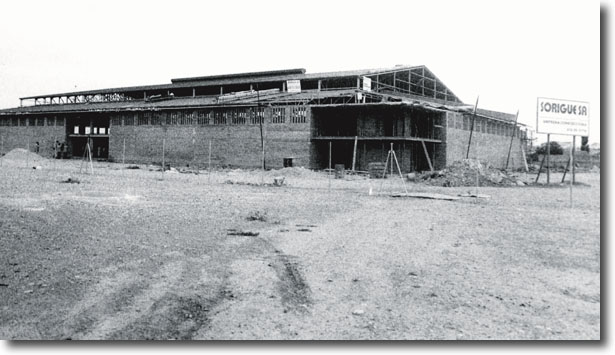
The 1980s are key: organized salons grow, Pavilion 3 is built, conference rooms are created and fair management becomes professionalized.
First edition of Eurofruit, the leading professional fair in the fruit sector.
Fira de Lleida actively participates in the founding of the Federation of Fairs of Catalonia (FEFIC).
Fira de Lleida transforms into a Foundation, which allows for optimizing the operational and economic management of the entity.
Pavilion 4 is inaugurated and the venue reaches 12,750 m² of covered area.
The project for the new fair venue is launched: 116,000 m², cutting-edge technology and the "Fair Zero" pavilion, with the aim of consolidating Lleida as the second fair capital of Catalonia.

The first post-war exhibition, embryo of the current Agricultural Fair of Saint Michael.

Agricultural machinery, protagonist of the Sample Fair of Saint Michael.

A pioneering event in the Spanish State for municipal equipment and services.

A decade of investment in facilities and professionalization of fair management.

The professional fair of fruit, heir to the 1960 international conference.

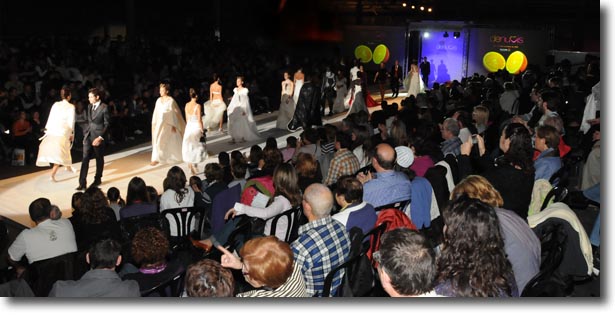
The bridal fair, one of the public events in the calendar.
Fira de Lleida has a total exhibition area of 70,000 m², five salons and rooms with capacity for 700 congress participants, ample car parks and direct connections with the city center and La Llotja–Palau de Congressos.
We use cookies. We use our own and third-party cookies to improve your experience. More information
We use cookies to improve your experience. You can personalize your preferences below.
Necessary for the basic functioning of the website. They cannot be disabled.
They allow us to analyze site usage to improve its functioning.
They allow you to remember your preferences such as language or region.